Bathrooms Built for Daily Use and Moisture
Bathroom Remodels in Canton for outdated fixtures, water damage, and layout inefficiencies
Grout stays damp and develops mold, vanity cabinets swell at the base, shower valves leak behind tile, and cramped layouts make the space difficult to use each morning. These problems show up in bathrooms that haven't been updated in decades, particularly in homes built before moisture-resistant materials became standard. ALC Contracting completes bathroom remodels in Canton, replacing failing components and reconfiguring layouts to improve both function and durability. The work addresses not just appearance but the waterproofing and ventilation systems that determine how long finishes last.
Bathroom renovations involve tearing out materials to assess framing and subfloor condition, since water damage often extends beyond what's visible on surfaces. Proper rebuilds include waterproof membranes behind tile, moisture-resistant drywall rated for wet areas, and ventilation fans sized to remove humidity before it condenses on surfaces. Fixture placement must accommodate plumbing drain slopes, electrical codes for outlets near water sources, and clearances that make the space comfortable to move through.
Request a detailed estimate based on your current bathroom condition and renovation goals.
What Changes After Bathroom Renovations Finish
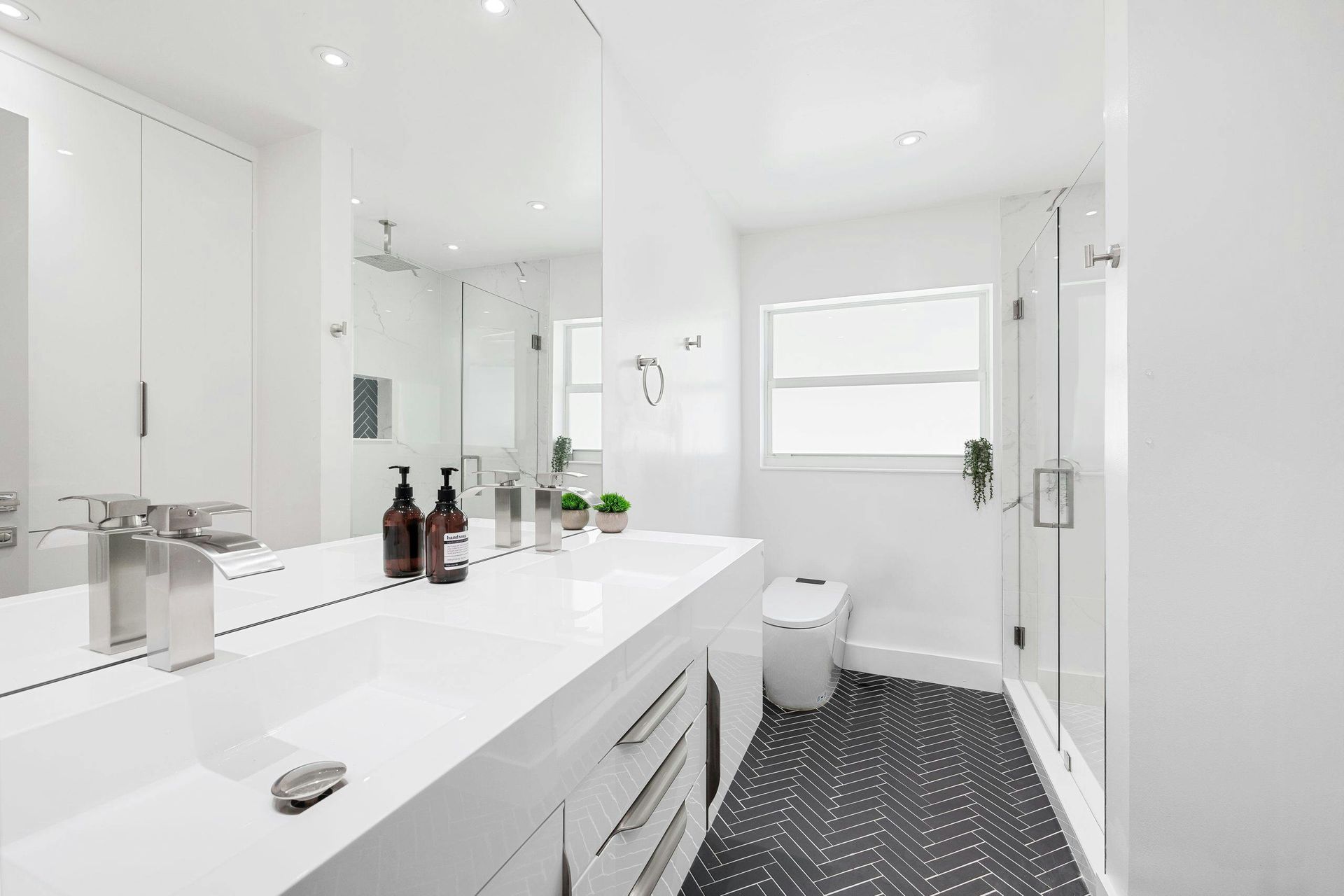
Modern bathroom materials resist moisture intrusion that caused previous failures—tile installed over properly waterproofed substrates doesn't allow water to reach framing, vanities built with water-resistant materials don't swell when splashed, and ventilation systems remove steam before mold can establish. Efficient layouts put storage within reach, provide elbow room at sinks, and eliminate awkward door swings or toilet placement that crowds the space.
Once renovations are complete, shower enclosures drain completely without standing water, grout remains dry between uses and resists mildew growth, and mirrors don't fog excessively because ventilation removes humidity efficiently. Vanity drawers open without sticking, countertops shed water without staining, and flooring stays level without soft spots that indicate subfloor damage. Lighting illuminates mirrors without harsh shadows, fixtures operate at consistent water pressure and temperature, and surfaces clean easily without textured finishes that trap soap residue.
Bathroom remodels also include updating electrical systems to meet current code—GFCI outlets near water sources, dedicated circuits for high-draw appliances, and lighting controls positioned outside splash zones. Plumbing upgrades replace corroded supply lines, install shut-off valves for easy fixture service, and ensure drain lines slope properly to prevent slow drainage and trap odors.
What Property Owners Usually Ask
Bathroom projects involve decisions about materials, layout changes, and how to prevent the moisture problems that damaged previous finishes.
What bathroom materials handle Georgia humidity best?
Porcelain tile, quartz or solid-surface countertops, and moisture-resistant drywall outperform natural stone and standard dryboard in humid climates, while proper waterproofing behind all wet-area surfaces matters more than any single material choice.
How much does a bathroom layout change add to project cost?
Moving plumbing drains requires cutting into floors and potentially rerouting vent stacks, adding several thousand dollars compared to keeping fixtures in existing locations, though improved functionality often justifies the expense.
What causes bathroom floors to feel soft or spongy?
Water leaking through tile or around fixtures soaks into the subfloor, causing wood to rot and lose structural integrity, which requires complete removal and replacement before new finishes can be installed.
When should shower valves be replaced during remodels?
If existing valves are more than 15 years old or show any sign of leaking, replace them during renovation while walls are open, since accessing them later requires cutting through finished tile.
What ventilation capacity does a bathroom actually need?
Exhaust fans should move at least 50 cubic feet per minute for standard bathrooms and 100 CFM or more for larger spaces, venting directly outside rather than into attics where moisture damages insulation and framing.
ALC Contracting addresses both cosmetic updates and underlying moisture problems during bathroom renovations. Contact us to schedule a remodeling consultation and review design options for your space.