Woodwork That Holds Up and Looks Right
Carpentry in Canton for homes needing trim repairs, custom-built features, and structural framing
Trim separates from walls, door frames sit crooked in openings, crown molding shows gaps at corners, and built-in shelving wobbles under load. ALC Contracting provides carpentry services throughout Canton, addressing these failures while also building custom features designed to match existing architecture. The work involves precision cuts, proper fastening techniques, and wood selection that accounts for how materials expand and contract with humidity changes common in Georgia.
Professional carpentry means understanding wood movement, load distribution, and how joinery methods affect long-term stability. Trim installed without accounting for seasonal expansion buckles or splits, framing undersized for the load it carries sags over time, and joints cut at incorrect angles open up as the house settles. Proper technique includes selecting wood species appropriate for the application, using fasteners that allow for movement where needed, and sealing end grain to prevent moisture intrusion.
Schedule a project evaluation to review specific carpentry needs and existing conditions.
What You Notice Once Carpentry Is Finished
Quality carpentry creates tight joints that don't require caulk to hide gaps, doors that close smoothly without sticking or rattling, and built-in features that support weight without flexing. Trim follows wall contours without visible waves, corners meet at crisp angles, and finishes applied over properly prepared wood don't peel or crack within the first year. Structural framing installed correctly transfers loads without creating bounce in floors or cracks in drywall above.
After carpentry work is complete, trim sits flush against surfaces without gaps that collect dust, baseboards align at consistent heights throughout rooms, and door casings frame openings symmetrically. Custom shelving supports books and storage containers without sagging, handrails feel solid under pressure, and wood repairs blend with surrounding materials in both color and grain pattern. Framing modifications open up spaces as planned without creating sags or requiring additional support posts added later.
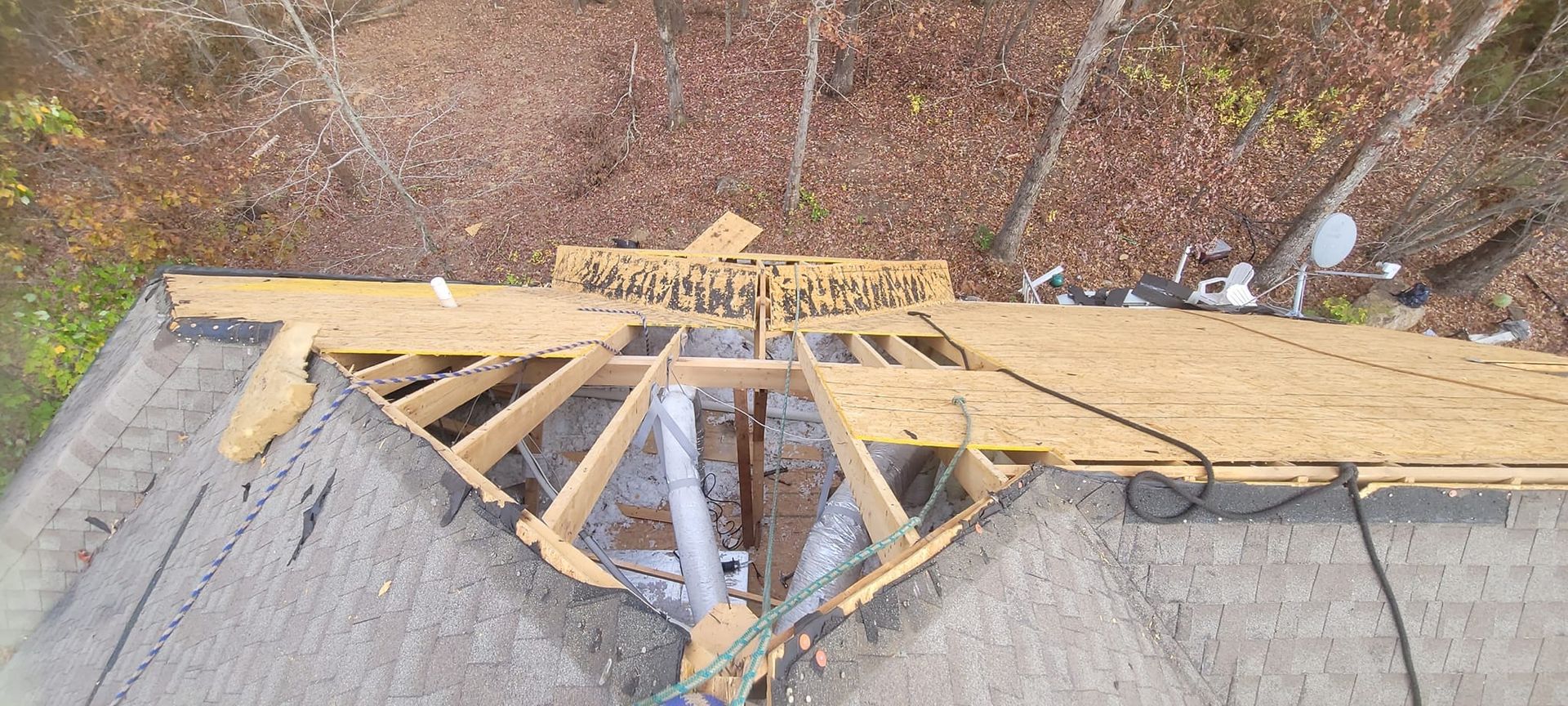
Carpentry projects often integrate with larger remodeling efforts, requiring coordination with other trades to ensure framing is ready for drywall, trim installation follows painting, and custom features are built before flooring goes down. Standalone repairs address specific failures—rotted sills, damaged framing around windows, or trim replacement after water damage—restoring structural integrity and appearance.
Answers to Frequent Carpentry Questions
Carpentry projects raise questions about materials, techniques, and what separates work that lasts from shortcuts that fail within a few years.
What wood species work best for trim in humid climates?
Poplar and medium-density fiberboard resist warping better than pine in Georgia's humidity, while hardwoods like oak and maple handle high-traffic areas without denting, though all require proper priming and sealing before finish coats.
How does custom carpentry integrate with remodeling projects?
Framing happens early to define new room layouts, trim installation follows drywall finishing and painting, and built-in features are constructed after flooring but before final fixture installation to protect finishes.
What causes trim to separate from walls over time?
Inadequate fastening, wood movement from humidity swings, and house settling all contribute, which is why proper installation includes fasteners into studs rather than just drywall and caulk only at joints designed to flex.
When should rotted wood be replaced rather than repaired?
Structural members like sills, joists, and load-bearing studs require replacement when rot extends beyond surface damage, while trim and non-structural elements can often be consolidated with epoxy if the core remains solid.
What defines quality finish carpentry?
Tight miters at corners without gaps, consistent reveal where trim meets walls, fastener holes filled and sanded smooth, and joints that remain closed through seasonal humidity changes without requiring repeated caulking.
ALC Contracting handles carpentry projects ranging from single-room trim repairs to custom-built features throughout the home. Discuss your project requirements and schedule a site visit to review existing conditions.